Most people think of exercise and sleep as two separate parts of a healthy lifestyle. In reality, they are closely connected. The quality of your workouts can influence how well you sleep, and the quality of your sleep can influence how well you perform during your workouts.
This creates a powerful cycle. When you exercise consistently, you’re more likely to sleep well. When you sleep well, your body has the energy and capacity to perform better during exercise. Over time, these two habits reinforce one another, helping you feel stronger, healthier, and more energized.
Understanding this relationship can help you maximize the benefits of both your workouts and your recovery.
How Exercise Improves Sleep
Regular physical activity has been shown to support healthier sleep in several ways.
Exercise helps regulate your body’s internal clock, also known as your circadian rhythm. It also reduces stress, improves mood, and helps your body use energy throughout the day, making it easier to feel naturally tired when bedtime arrives.
Many people who establish a consistent workout routine report that they:
- Fall asleep more quickly
- Wake up less frequently during the night
- Sleep more deeply
- Feel more refreshed in the morning
- Experience more consistent energy throughout the day
While exercise isn’t a cure for every sleep problem, it can be an important part of healthy sleep habits.
Why Sleep Is Essential for Recovery
Many people assume that muscles become stronger during exercise.
The truth is that the workout is only the stimulus. The real adaptation happens afterward—especially during sleep.
While you sleep, your body works to:
- Repair muscle tissue
- Restore energy stores
- Support hormone regulation
- Strengthen the immune system
- Consolidate motor learning and movement patterns
Without enough quality sleep, these recovery processes become less efficient.
That’s one reason people who consistently sleep well often recover faster between workouts.
Sleep Affects Workout Performance
Have you ever noticed how difficult a workout feels after a poor night’s sleep?
Sleep deprivation can affect:
- Strength
- Endurance
- Balance
- Coordination
- Concentration
- Motivation
- Reaction time
Even when your muscles are physically capable, your brain may struggle to coordinate movement efficiently if you’re fatigued.
This is one reason quality sleep is considered an important part of athletic performance.
Exercise Can Help Manage Stress
Stress is one of the most common reasons people struggle with sleep.
Physical activity helps regulate stress by encouraging the release of endorphins and reducing tension throughout the body.
Many people find that regular exercise helps quiet their minds after busy workdays, making it easier to relax before bedtime.
While exercise can’t eliminate life’s challenges, it often improves resilience and emotional well-being.
Finding the Right Workout Schedule
One question people frequently ask is whether it’s better to work out in the morning or evening.
The answer depends largely on personal preference and consistency.
Some people enjoy exercising first thing in the morning because it boosts energy for the day ahead.
Others prefer evening workouts as a way to unwind after work.
The best workout schedule is usually the one you can maintain consistently.
If late-night, high-intensity workouts seem to interfere with your sleep, consider experimenting with earlier class times to see what works best for your body.
Healthy Habits Work Together
Exercise is only one part of healthy sleep.
Other habits that support better rest include:
- Maintaining a consistent bedtime
- Limiting caffeine later in the day
- Reducing screen time before bed
- Keeping your bedroom cool and dark
- Staying hydrated
- Managing daily stress
When these habits are combined with regular physical activity, they often create noticeable improvements in sleep quality.
Why Strength Training Supports Better Sleep
While all forms of exercise offer benefits, resistance training has been associated with improvements in sleep quality for many people.
Strength training challenges both the body and the nervous system, creating a healthy demand for recovery.
As your body repairs muscles after exercise, sleep becomes an essential part of the adaptation process.
This creates a positive cycle in which better workouts support better sleep, and better sleep supports better workouts.
How Lagree Fits Into the Equation
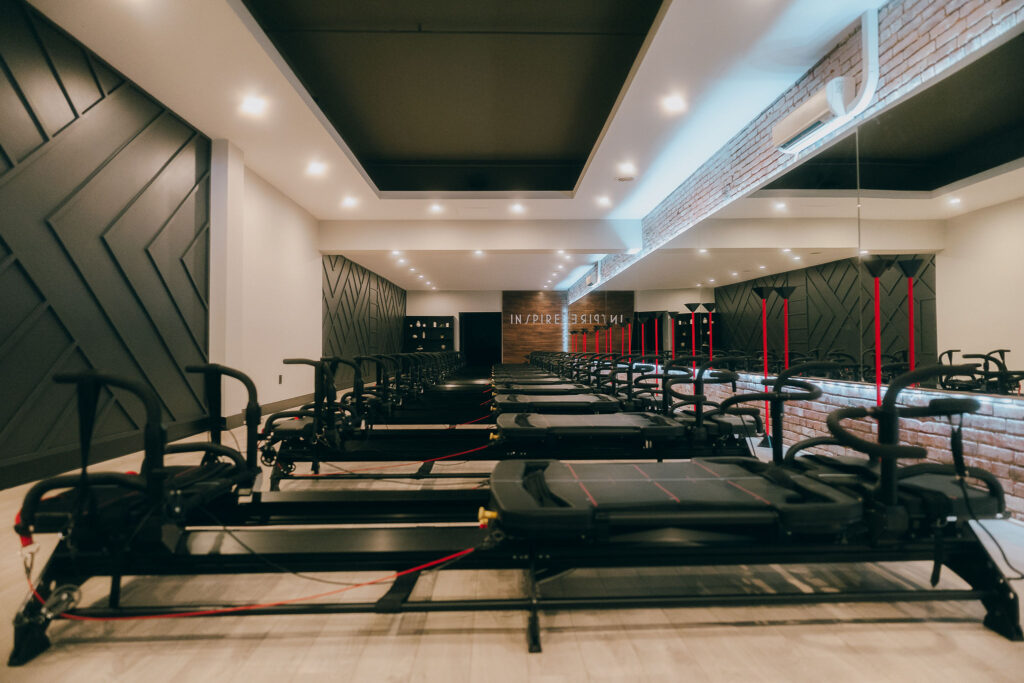
Lagree combines strength training, muscular endurance, core stability, and controlled movement into one efficient workout.
Each 40-minute class challenges the body while remaining low impact on the joints.
Many participants report feeling both physically challenged and mentally refreshed after class.
Because Lagree emphasizes controlled movement rather than high-impact exercise, it provides an effective workout that many people can incorporate consistently into their weekly routines.
Combined with healthy recovery habits, this consistency supports both physical fitness and overall well-being.
Small Changes Can Produce Big Results
Improving your sleep doesn’t always require dramatic lifestyle changes.
Sometimes the biggest improvements come from building small, consistent habits:
- Exercising regularly
- Going to bed at the same time each night
- Prioritizing recovery
- Staying active throughout the day
These simple practices work together to support better health over the long term.
Better Days Begin With Better Nights
Quality sleep and regular exercise are two of the most powerful investments you can make in your health.
Rather than thinking of them as separate goals, consider them partners working together.
When you consistently move your body, prioritize recovery, and establish healthy routines, you’ll often notice improvements that extend far beyond the gym—including better focus, increased energy, improved mood, and greater resilience.
Sleep Better. Move Better. Live Better.
At Inspire Seattle, our 40-minute Lagree classes are designed to help you build strength, improve endurance, and create healthy habits that support your overall well-being.
Whether your goal is to sleep more soundly, feel stronger during the day, or simply enjoy a healthier lifestyle, regular movement is one of the best places to start.
Visit InspireSeattle.com to schedule your first class and discover how consistent exercise can help you sleep better, recover faster, and perform at your best every day.