The fitness industry is filled with advice. Scroll through social media for five minutes and you’ll likely see dozens of “expert” opinions about the fastest way to lose fat, build muscle, or transform your body.
The problem? Not all fitness advice is accurate.
Many popular beliefs have been repeated for years, even though research and experience tell a different story. Believing these myths can lead to frustration, unrealistic expectations, and workouts that don’t support your long-term goals.
Let’s separate fact from fiction by looking at ten of the most common fitness myths.
Myth #1: “No Pain, No Gain”
Feeling challenged during a workout is normal. Feeling sharp pain is not.
Exercise should make your muscles work hard, but pain is your body’s way of signaling that something may be wrong. Learning the difference between muscular fatigue and actual pain helps reduce the risk of injury and allows you to train consistently over time.
The goal isn’t to suffer—it’s to progress.
Myth #2: You Have to Exercise Every Day
More isn’t always better.
Your body needs time to recover between challenging workouts. Recovery allows muscles to repair, adapt, and become stronger.
For many people, exercising several times per week while incorporating recovery days is a sustainable and highly effective approach to fitness.
Myth #3: Sweating More Means You’re Burning More Fat
Sweat is simply your body’s cooling system.
How much you sweat depends on factors such as temperature, humidity, genetics, hydration, and workout intensity—not how much fat you’re burning.
A productive workout isn’t measured by the size of the sweat puddle on the floor.
Myth #4: Women Will Get Bulky From Strength Training
This is one of the most common misconceptions in fitness.
Building significant muscle size requires years of specialized training, nutrition, and, in many cases, favorable genetics.
For most women, resistance training leads to increased strength, improved muscle definition, better posture, and a lean, athletic appearance—not excessive muscle size.
Myth #5: Cardio Is the Only Way to Lose Fat
Cardiovascular exercise certainly has benefits, but it isn’t the only path to fat loss.
Strength training helps preserve and build lean muscle while increasing overall energy expenditure. Combined with balanced nutrition, resistance training is an important part of a healthy body composition plan.
The most effective fitness routines often include a combination of strength, cardiovascular fitness, and mobility.
Myth #6: You Can Spot Reduce Fat
Many people hope to lose fat from one specific area, such as the stomach, thighs, or arms.
Unfortunately, the body doesn’t work that way.
Fat loss occurs throughout the body based on genetics, hormones, nutrition, and overall energy balance.
While you can strengthen muscles in a specific area, you cannot choose where your body loses fat first.
Myth #7: If You’re Sore, You Had a Better Workout
Muscle soreness isn’t the only measure of progress.
Some highly effective workouts create very little soreness, especially as your body adapts over time.
Instead of judging workouts by soreness, pay attention to improvements in strength, endurance, mobility, energy, and overall performance.
Myth #8: You Have to Work Out for Hours
One of the biggest barriers to exercise is the belief that effective workouts require enormous amounts of time.
The truth is that quality matters far more than quantity.
Focused, efficient workouts can produce excellent results when performed consistently.
For many busy professionals, a well-designed 40-minute workout fits more realistically into daily life than spending two hours at the gym.
Myth #9: Fitness Is Only About Weight Loss
The scale tells only one small part of the story.
Exercise also improves:
- Heart health
- Bone density
- Muscle strength
- Balance
- Mental well-being
- Sleep quality
- Energy levels
- Confidence
Some of the most meaningful changes happen long before the number on the scale changes.
Myth #10: It’s Too Late to Start
Perhaps the biggest myth of all is believing you’ve missed your opportunity.
The human body is remarkably adaptable.
Whether you’re 25, 45, 65, or beyond, appropriately designed exercise can improve strength, mobility, endurance, balance, and overall quality of life.
The best time to begin may have been years ago—but the second-best time is today.
Building Fitness on Facts
Successful fitness journeys aren’t built on shortcuts or myths. They’re built on consistency, smart programming, proper recovery, and realistic expectations.
When you understand how your body actually responds to exercise, you can spend less time chasing trends and more time building habits that produce lasting results.
How Lagree Fits Into the Picture
At Inspire Seattle, we believe effective fitness should be challenging, sustainable, and backed by sound training principles.
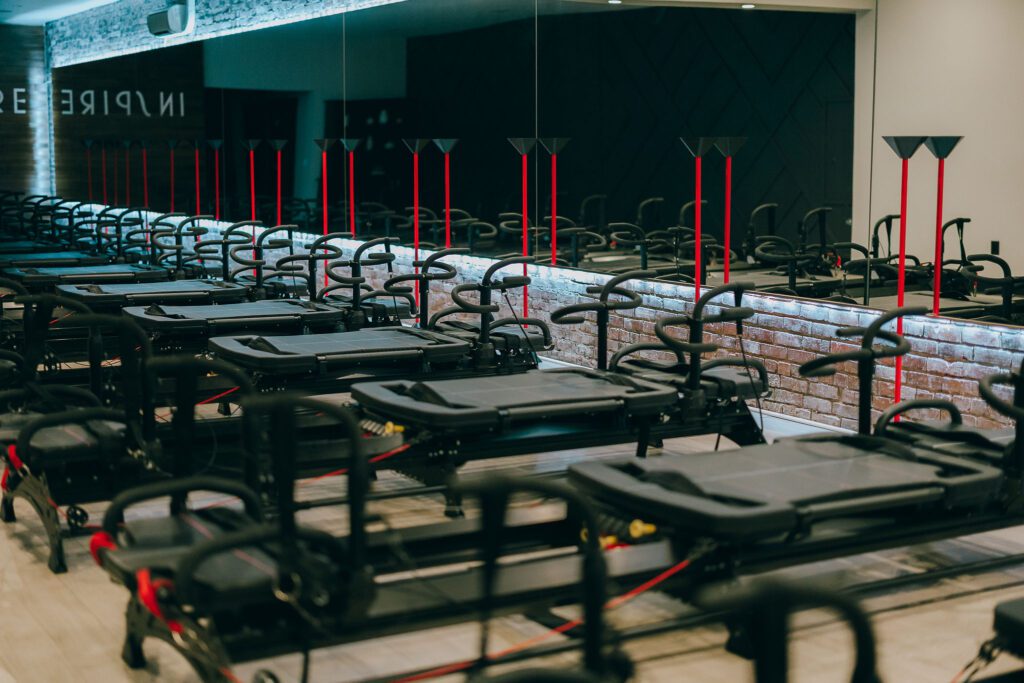
Our 40-minute Lagree classes combine strength training, muscular endurance, core stability, and low-impact movement into one efficient workout. Rather than relying on gimmicks or quick fixes, Lagree emphasizes controlled movement, proper technique, and progressive improvement over time.
This balanced approach helps clients become stronger, move better, and build confidence—without many of the misconceptions that often surround traditional fitness programs.
Discover a Smarter Way to Train
If you’re ready to move beyond fitness myths and experience a workout built on proven training principles, we’d love to welcome you to Inspire Seattle.
Whether you’re just beginning your fitness journey or looking for a fresh challenge, our experienced instructors will help you build strength, improve movement, and develop healthy habits that last.
Visit InspireSeattle.com to book your first class and discover how smart, sustainable training can help you reach your fitness goals for years to come.